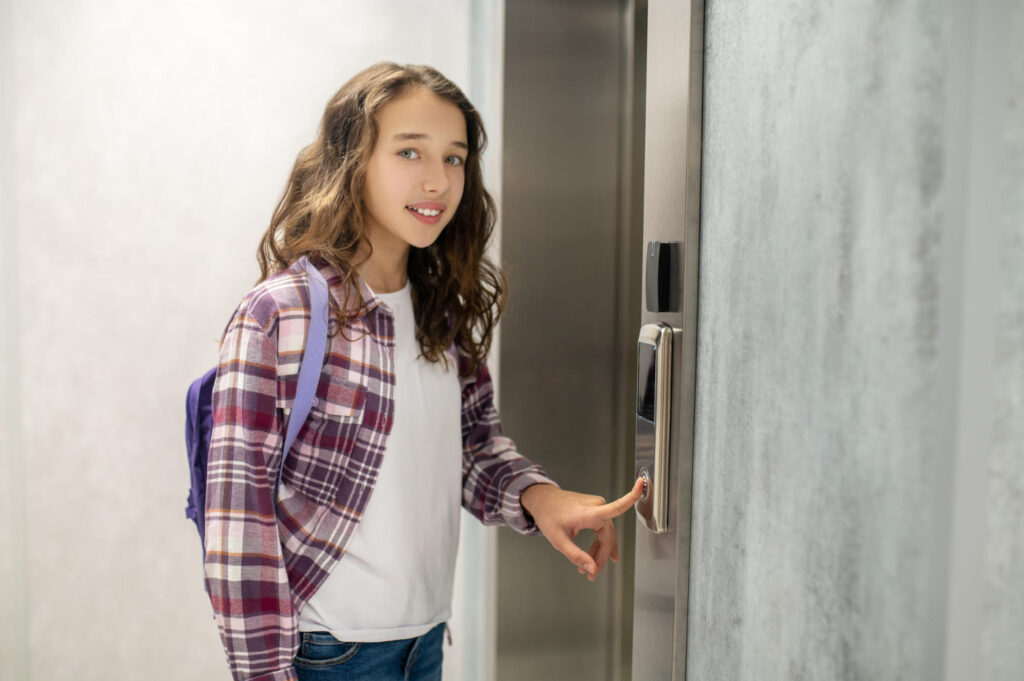
Teenagers are starting to feel more independent, and that’s a good thing. They’re learning how to be responsible in all kinds of ways, including how to come and go from the house on their own. Locking doors might seem like a small task, but it actually plays a big role in keeping everyone safe, especially as the afternoons get darker this time of year.
Around late October in Minnesota, temperatures dip fast and daylight slips away earlier every day. It’s a great time to talk with teens about lock safety, what it means, why it matters, and how to make it part of their daily routine. As a locksmith in Minnesota, we’ve seen how simple habits can prevent problems later on. The more your teen understands the “why” behind locking up, the more likely they’ll take it seriously.
Making Lock Safety Part of the Everyday Routine
The easiest way to teach teens about locks is to make it part of what they already do. It doesn’t need to feel like a lesson. Just a regular part of the day that matters, even if nobody says anything about it.
• Ask them to double-check that the door is locked whenever they come home or leave
• Make locking up a habit before bed, even if others are still up
• Remind them to lock doors even during the day when they’re home alone
As winter approaches, darker afternoons and colder weather make it easier to forget the basics. Teens might think it’s not a big deal if someone’s home or it’s still light out. So it helps to explain why we lock doors every time. This protects the house and shows they’re thinking ahead and looking out for others too.
True Locksmith offers free home security consultations and lock inspections for families in Minnesota, helping you make safety a regular part of your family’s daily habits. Our technicians can show teens how different locks work and give advice about managing house keys and door codes, so kids feel more confident about locking up at the right times.
Practice With Real-Life Scenarios
Teenagers tend to learn best through hands-on experience. So instead of just telling them what to do, try showing them how things work and giving them the chance to figure things out for themselves.
• Let them unlock and lock different doors using a real key
• Walk through what they’d do if they got locked out, who would they call, where would they wait, what should they avoid
• Talk about how fall and winter can make locks act up and what signs to look for
It’s not about scaring them or making a list of things that could go wrong. It’s about helping them think ahead and preparing for something that could happen. Things like frosty locks, stiff keys, or even slipping on ice while looking for a key can all become part of the discussion. Bringing these examples into real conversation makes safety feel a little more real too.
Teach Safe Key Habits Without Lecturing
No one likes being talked down to, especially teens. So instead of giving a big speech about the dangers of sharing keys or hiding them under flower pots, try making it part of a normal talk about being smart and staying safe.
• Talk about why it’s risky to hand out garage codes or extra keys to friends
• Remind them not to post key pics, or any door code, on social media, even as a joke
• Encourage them to carry their own key on a lanyard, zippered pocket, or inside bag
Hidden key spots haven’t fooled anyone in years. Teens might think stashing a spare under a rock is common practice, but it’s better to explain why that’s not the safest move. Instead, guide them toward better ways to be prepared, like carrying a key securely or asking a trusted adult to keep a backup.
We help families come up with practical solutions for keeping spare keys safe and discussing options that fit busy routines, whether that means installing a keypad lock or managing access with trusted neighbors or relatives.
Help Them Spot When Something’s Off
We don’t always notice when locks start acting strange, but teens can be taught what to look and listen for. They’re usually quick to pick up on patterns, so helping them notice changes makes a big difference.
• Let them know that loose handles, sticky deadbolts, or worn edges on the doorframe can all be signs of trouble
• If they hear rattling when they turn the key, or see frost buildup near the lock, that’s worth mentioning
• Tell them that strange resistance or needing to jiggle the key might mean something’s not right
Most of the time, a small issue can be fixed before it becomes a big deal. But teens may not say anything unless they’re told it’s okay to speak up. That’s especially important before winter really sets in. Cold air and ice have a way of turning small annoyances with a lock into big, frustrating problems.
A Smart Start to Future Responsibility
Teaching teens about lock safety might seem like a small step, but it builds trust and confidence. They get to feel more in control when they understand how things work. We’ve seen how this kind of responsibility helps teens act more aware of their surroundings, and more protective of the space they call home.
Now’s a good time to talk, test, and teach. When the snow starts falling and the dark gets longer, your teen will already know what to do. They’re learning to look after the house and the people in it, one locked door at a time.
When your teen is ready to take on more responsibility, teaching lock safety is a smart place to start. These everyday habits, from knowing when to speak up about concerns to keeping keys secure, can help them build lifelong awareness. Whether you have questions or want to feel more confident about your home’s locks, we’re here for you as your trusted locksmith in Minnesota. At True Locksmith, our goal is to help families feel safer and more prepared. Reach out anytime for support.